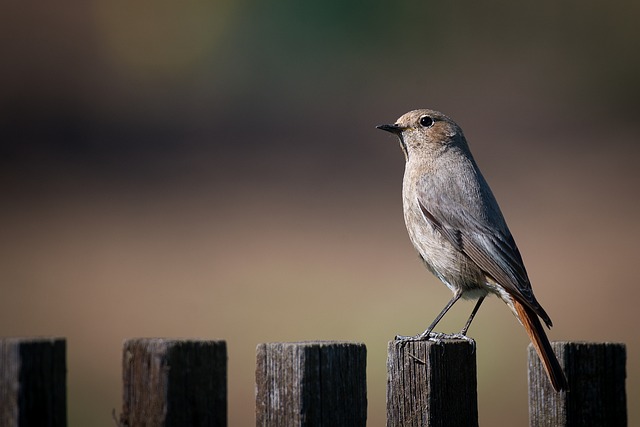
In coastal regions, where harsh weather conditions and salty air pose unique challenges, selecting the right fencing material is paramount. This article explores the benefits of durable wooden fencing as a robust and aesthetically pleasing solution for your coastline property. We delve into the specific challenges of coastal fencing, highlighting why certain wood species excel in these environments. Furthermore, we provide guidance on installation and maintenance to ensure longevity, offering valuable insights for homeowners seeking to protect their spaces with beauty and durability.
- Understanding Coastal Fencing Challenges
- Benefits of Durable Wooden Fencing
- Choosing the Right Wood Species
- Installation Considerations for Coastlines
- Maintenance Tips for Longevity
Understanding Coastal Fencing Challenges
Coastal areas present unique challenges when it comes to fencing due to harsh weather conditions, including strong winds, salty air, and frequent rainfall. Traditional fencing materials may not withstand these elements, leading to frequent repairs or replacements. The coastal environment demands a robust and durable solution that can resist corrosion from salt water and the relentless force of storms.
One of the primary concerns is ensuring the longevity of the fence without compromising aesthetics. Wooden fencing offers an appealing natural look, but it requires careful selection of wood species and treatment to prevent rot and pest damage caused by moisture and saltwater. Advanced treatments and specialized wooden varieties are essential to create a durable barrier that can protect properties while seamlessly blending with the coastal landscape.
Benefits of Durable Wooden Fencing
Durable wooden fencing offers an array of benefits for coastal areas, where traditional materials might struggle to withstand the harsh marine environment. Firstly, wood from specific, treated species is highly resistant to rot and decay, ensuring the fence remains structurally sound for years. This longevity significantly reduces replacement costs, making it a cost-effective choice for homeowners and property managers.
Moreover, wooden fencing can be tailored to suit various aesthetic preferences, allowing for custom designs that blend seamlessly with coastal landscapes. Its natural beauty enhances outdoor spaces, providing privacy and security while complementing the surrounding environment. Additionally, proper maintenance can further extend the life of these fences, making them a sustainable and versatile option for coastal properties.
Choosing the Right Wood Species
When considering durable wooden fencing for coastal areas, selecting the right wood species is paramount. Softwoods like cedar and redwood are popular choices due to their natural resistance to rot and insects, making them ideal for harsh marine environments. These woods not only endure salt spray but also withstand the constant exposure to sun and moisture, ensuring longevity.
However, it’s crucial to look beyond traditional favorites. Hardwoods such as oak or ipe offer exceptional strength and durability, though they may require more meticulous maintenance. Additionally, treating wood with preservatives can significantly enhance its coastal resistance, extending its life even further. Each option has unique properties, so understanding your climate and specific needs is key to making an informed decision.
Installation Considerations for Coastlines
When installing wooden fencing in coastal areas, several unique considerations come into play due to the region’s harsh marine environment. First and foremost, the fence posts must be properly treated to resist rot and corrosion caused by salt water and high humidity levels. Treated or pressure-preserved timber is essential for durability; consider options like cellulose-based treatments that enhance the wood’s natural resistance.
Another critical aspect is the choice of fence style and design. For coastal regions, vertical post fences with tight rails are often more suitable than horizontal ones to prevent water accumulation and reduce the risk of damage from strong winds and storms. Additionally, ensuring adequate spacing between posts allows for expansion and contraction due to changing weather conditions, minimizing stress on the fencing structure.
Maintenance Tips for Longevity
To ensure your wooden fencing stands the test of time, especially in coastal environments where it faces consistent exposure to salt air and moisture, proper maintenance is key. Regular cleaning with a mild detergent and soft brush helps remove any accumulated dirt or algae. This simple step prevents debris from embedding in the wood, which can lead to rot or mold growth.
Painting or sealing your fence annually offers extra protection. Choose weather-resistant finishes designed for outdoor use. By maintaining a consistent maintenance routine, you’ll protect your durable wooden fencing from the elements, ensuring it remains sturdy and aesthetically pleasing for years to come.